
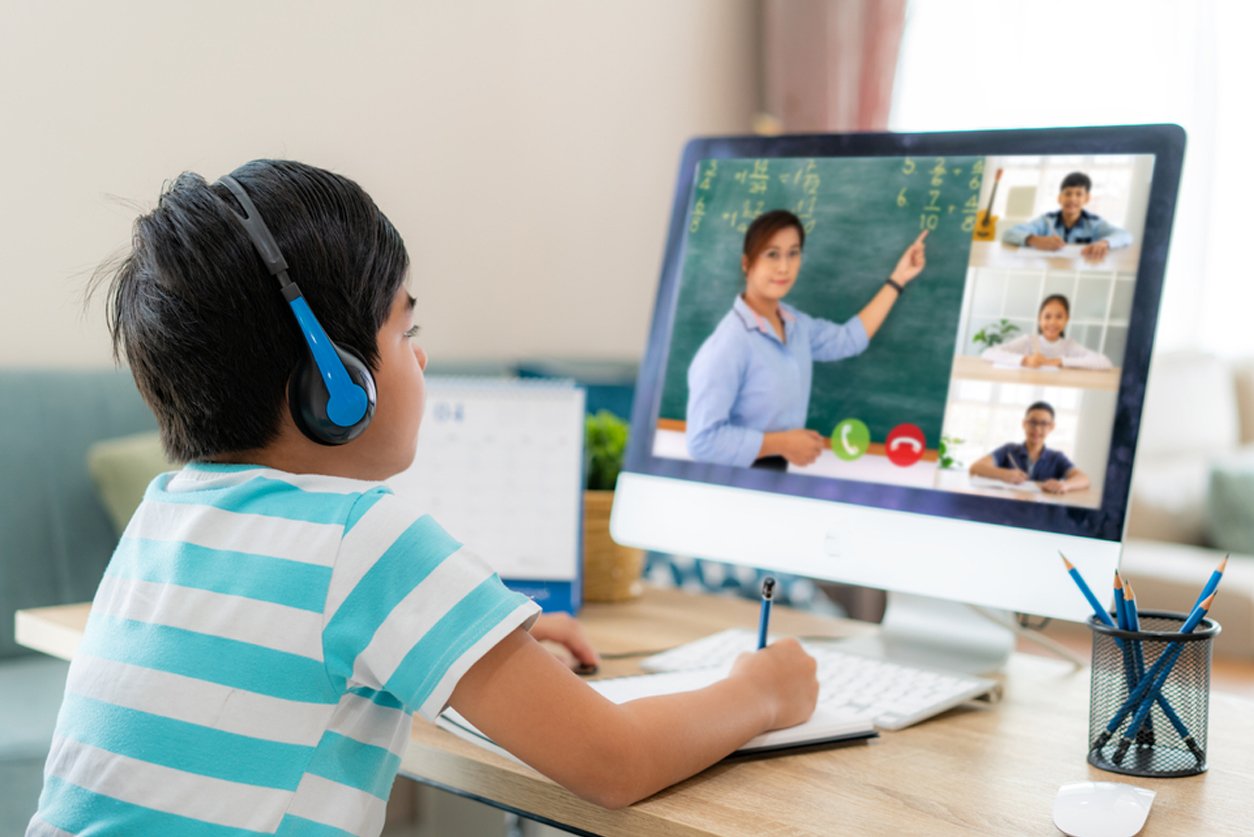
The early years of a child’s life are filled with curiosity, creativity, and rapid development. During this stage, children develop the skills, habits, and confidence that influence their future learning and personal growth. Quality Early Childhood Education (ECE) provides children with the right environment to explore, learn, and develop essential life skills.
At The Vedic Brick, we believe that a strong educational foundation during the early years creates confident learners who are prepared for academic success and lifelong achievement.
What is Early Childhood Education?
Early Childhood Education refers to structured learning experiences designed for young children, typically from birth to eight years of age. It focuses on the overall development of a child rather than academic learning alone.
A well-designed early education program supports a child’s:
- Cognitive Development
- Language & Communication Skills
- Social Development
- Emotional Growth
- Physical Coordination
- Creativity
- Problem-Solving Ability
- Self-Confidence
These skills prepare children for school and everyday life.
Why Are the Early Years So Important?
Research shows that a child’s brain develops rapidly during the first few years of life. Every interaction, activity, and learning experience contributes to building important neural connections that influence future learning.
When children receive positive educational experiences during these formative years, they are more likely to become confident, curious, and independent learners.
Benefits of Early Childhood Education
1. Builds Strong Learning Skills
Young children naturally love exploring the world around them. Early education encourages curiosity through storytelling, activities, music, games, and hands-on experiences.
These activities help children develop a love for learning that continues throughout their academic journey.
2. Improves Communication Skills
Children learn how to express their thoughts, ask questions, and communicate effectively with teachers and classmates.
Activities such as storytelling, conversations, role play, and group discussions strengthen language development and vocabulary.
3. Develops Social Skills
Early childhood classrooms introduce children to teamwork, sharing, cooperation, and respect for others.
They learn how to:
- Make friends
- Work in groups
- Listen carefully
- Solve conflicts peacefully
- Respect different perspectives
These social skills become valuable throughout life.
4. Encourages Creativity
Creative activities such as drawing, painting, music, storytelling, and imaginative play help children express themselves freely.
Creativity improves problem-solving abilities and encourages innovative thinking from an early age.
5. Strengthens Emotional Development
Children gradually learn to understand and manage their emotions through positive classroom experiences.
Supportive teachers help children develop:
- Confidence
- Empathy
- Patience
- Self-control
- Emotional resilience
These qualities contribute to healthy personal development.
6. Enhances Cognitive Development
Interactive learning activities stimulate thinking, reasoning, and memory.
Children improve their ability to:
- Observe
- Compare
- Classify
- Solve problems
- Make decisions
These cognitive skills form the basis for future academic success.
7. Creates School Readiness
Children who participate in quality early education programs adapt more easily to formal schooling.
They enter school with:
- Better communication skills
- Improved concentration
- Greater independence
- Positive classroom behavior
- Stronger confidence
This makes the transition to primary education smoother and more enjoyable.
8. Builds Confidence and Independence
Early childhood education encourages children to perform simple tasks independently.
Whether it’s organizing their belongings, completing activities, or making decisions, children gradually develop self-confidence and responsibility.
The Role of Parents
Parents play an essential role in supporting early learning.
Simple activities at home can make a significant difference:
- Read together every day
- Encourage questions
- Praise effort rather than perfection
- Allow creative play
- Establish daily routines
- Limit unnecessary screen time
- Spend quality time together
A supportive home environment complements classroom learning and helps children thrive.
The Importance of Qualified Educators
Behind every successful early learning program are passionate and well-trained educators.
Professional teachers understand:
- Child Psychology
- Learning Styles
- Classroom Management
- Creative Teaching Methods
- Positive Behaviour Guidance
- Activity-Based Learning
Their guidance creates a safe and nurturing environment where children can learn confidently.
Why Choose The Vedic Brick?
At The Vedic Brick, we are dedicated to providing quality education that nurtures every aspect of a child’s development.
Our programs focus on:
- Activity-Based Learning
- Experienced Educators
- Child-Friendly Environment
- Small Batch Sizes
- Personalized Attention
- Interactive Classroom Activities
- Practical Learning Methods
- Holistic Development
We believe every child deserves an education that inspires curiosity, confidence, and a lifelong love of learning.
Final Thoughts
Early Childhood Education is not just the first step in schooling—it is the foundation upon which a child’s future is built. A nurturing environment, engaging learning experiences, and dedicated educators help children develop the knowledge, skills, and confidence they need to succeed in school and in life.
By investing in quality early education today, parents are giving their children the opportunity to become independent thinkers, compassionate individuals, and lifelong learners.